
Residential Rooftop Solar Panel Installation in Tufts University
Custom Rooftop Solar Systems for Your Tufts University Home
Produce your own electricity from the roof of your home with a residential solar system built around your Tufts University property, daily electricity usage, and future energy goals. Our experienced solar team assists with system planning, equipment installation, permit preparation, required inspections, and final activation, helping make the switch to cleaner household energy easier to understand and manage. Request a free property assessment to see whether residential rooftop solar is a good long-term investment for your home.
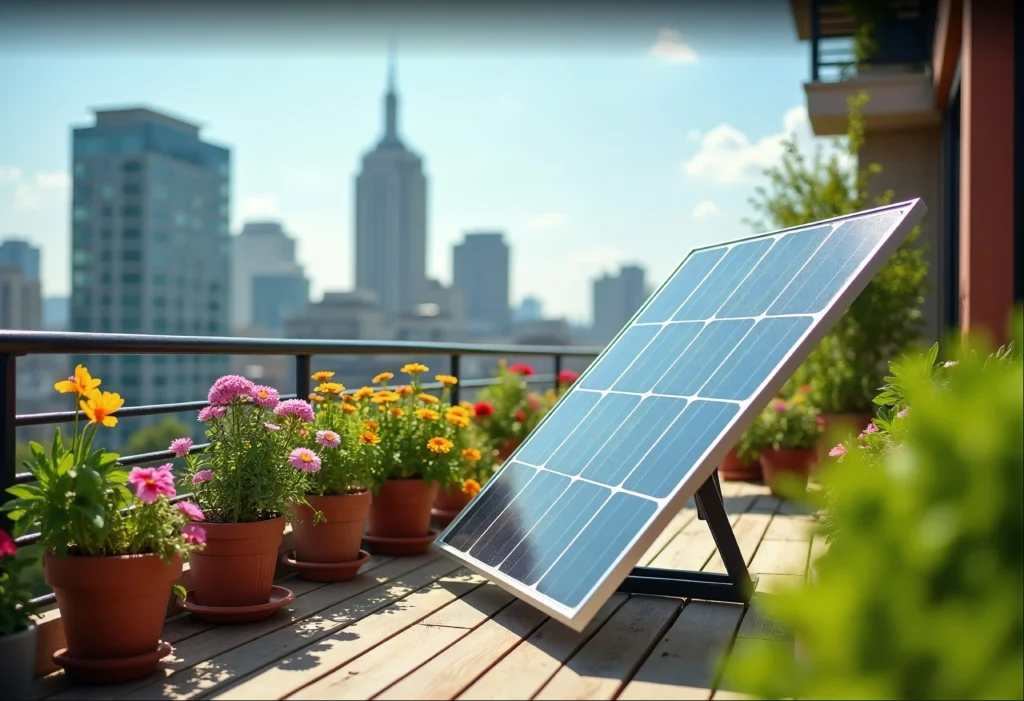
What's Included in Residential Solar Installation? Here's a Breakdown.
Understanding How Home Solar Works for Tufts University Homeowners
Residential rooftop solar installation is the process of securely attaching solar panels to your roof so they can capture sunlight and convert it into usable electricity. After the system is connected to the home’s electrical panel, the electricity it generates can power appliances, lighting, electronics, heating equipment, and other household systems.
When the panels generate more power than the household is using, excess electricity may be stored in a home solar battery or sent to the grid, depending on the system configuration and utility requirements. Modern solar arrays function quietly and automatically and generally require little routine maintenance.
The Case For Adding Solar To Your Home
A Worthwhile Energy Improvement for Homeowners in Tufts University
Solar panels allow homeowners to make better use of available roof space while creating electricity from a renewable source that can support everyday household energy needs.
Convert unused roof space into a productive electricity source for your home
Reduce dependence on energy purchased from the utility company month after month
Create greater control over long-term household energy costs for years to come
Take advantage of available solar incentives and financing programs designed to lower upfront cost
Add battery storage for backup support during power outages so the lights stay on
Power normal household routines with cleaner electricity from morning to night
Why Tufts University Residents Work With Our Solar Team for Every Project
Trustworthy Support From the First Evaluation to System Activation
Installing residential solar should feel organized, clear, and manageable. Our residential solar panel installers walk Tufts University homeowners through the site assessment, custom system design, equipment selection, permitting, installation, inspection, and final activation. Throughout the project, you receive clear updates and a rooftop solar plan shaped around your home, electricity consumption, available roof space, and budget.
Local Residential Solar Experience That Matters
We understand the variety of properties found in and around Tufts University, including older homes, newer subdivisions, ranch-style houses, two-story residences, attached homes, multifamily buildings, and homes surrounded by mature trees. Roof material, weather, shade patterns, property layout, and available sunlight are all part of our system planning process.
Experienced Solar Installers With Proven Results
Our installation teams bring years of hands-on experience to every residential solar project. You can see that experience in the quality and consistency of every install.
Straightforward, Itemized Project Costs
Every project starts with a clear, itemized quote so you know exactly what you’re paying for. There are no hidden fees or surprise charges along the way.
Extended Warranty Coverage
Every system we install is backed by a long-term warranty covering equipment and workmanship. That coverage protects your investment well into the future.
Support With Permits and Approvals Every Step of the Way
We manage the permitting and approval process on your behalf, from paperwork to inspections. That leaves one less thing for you to worry about during the project.
Solar Monitoring Support Year-Round
We help you monitor your system’s solar production well after installation is complete. That ongoing visibility helps you get the most from your investment.
Tailored Solar System Design for Every Home
We install solar equipment from manufacturers known for reliability and long-term performance. That quality is part of what makes every system built to last.
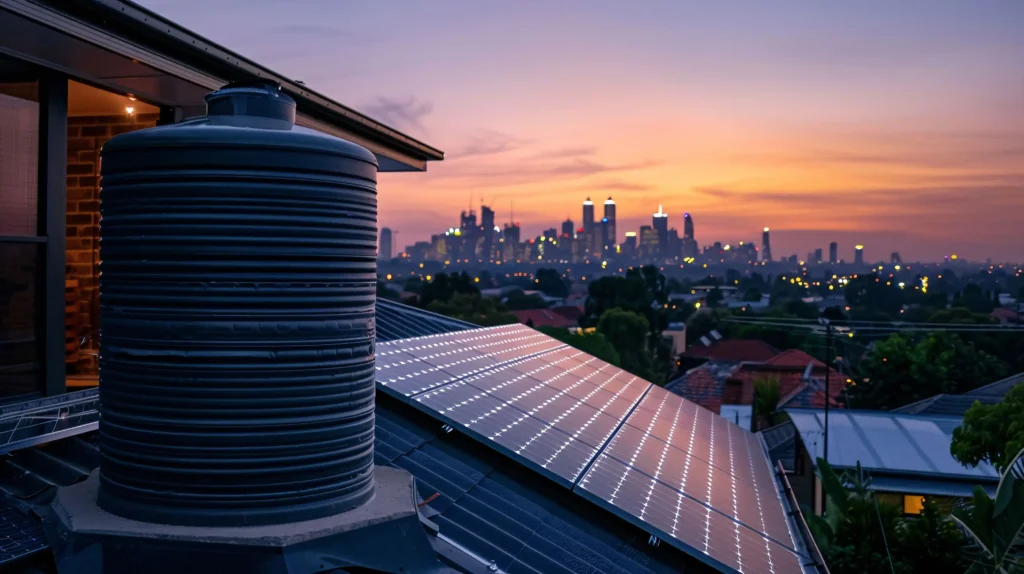
Cleaner Home Power Can Begin With Your Roof Right Now
How Residential Solar May Support Homes in Tufts University
Installing rooftop solar is about more than reducing the amount of electricity purchases from a utility provider. For homeowners in Tufts University, solar can also offer a practical way to support cleaner local energy generation, benefiting communities where homes, schools, healthcare facilities, businesses, transit systems, municipal buildings, and essential services depend on a reliable supply of electricity.
When a home creates more of its own electricity from sunlight, it may lower demand from conventional generation sources. The effect begins with one property but grows as more households throughout Tufts University adopt similar systems, and their combined production may help reduce demand on the wider electrical grid.
Residential rooftop solar may support lower carbon emissions, increased generation of renewable electricity, and a more efficient way to power ordinary household activities. Once installed and put into operation, a properly designed solar system can continue delivering these benefits for many years.
A properly planned rooftop solar system can be a meaningful step toward more sustainable, reliable household energy for years to come. Connect with us today to learn whether residential rooftop solar is a good fit for your Tufts University home.
Request a Free Residential Solar Estimate
Discover what a rooftop solar system designed specifically for your Tufts University home could include with a clear, no-pressure estimate from our knowledgeable solar professionals.
Frequently Asked Questions
Answers About Residential Rooftop Solar Installation
Rooftop solar is an important home improvement, and knowing what to expect during the planning and installation process can help you make a more confident decision. Below are answers to questions frequently asked by Tufts University homeowners considering residential solar panels.
How can I tell whether my roof is suitable for solar panels?
A solar professional will examine the roof’s available surface area, direction, slope, age, structural condition, roofing material, and surrounding shade. Properties with sufficient usable roof space and consistent sunlight exposure are often good candidates for solar. When repairs or roof replacement are needed, completing that work before panel installation may be recommended.
How much time does a residential solar installation require?
The physical installation of rooftop solar panels can often be completed within a relatively limited timeframe. However, the entire project also includes the initial property assessment, system design, permit review, approvals, inspections, and utility coordination. The final schedule can depend on system size, roof complexity, weather, equipment availability, and local processing times. Your installer should provide an expected timeline before the project begins.
Will rooftop solar installation harm my roof?
Solar panels should not damage a roof when they are installed correctly. Qualified installers use secure racking systems, flashing, weather-resistant seals, and mounting methods intended to protect the roofing surface and keep the panels stable during rain, snow, wind, summer heat, and seasonal temperature changes. A pre-installation inspection can identify existing roof problems that may need attention beforehand.
Is it possible to add a solar battery later?
Yes. Many homeowners add battery storage after their original rooftop solar system has already been installed, as long as the existing equipment and electrical setup can support the upgrade. A battery can store excess solar electricity for evening use, times of increased household demand, or certain utility outages. Battery-ready system designs can also be reviewed during the initial consultation.
Where does unused solar electricity go?
Electricity your household does not immediately consume may be stored in a home battery or exported to the utility grid, depending on the solar equipment, electrical configuration, and applicable utility policies. Procedures for measuring or crediting exported electricity can differ by utility company. During your consultation, the solar team can explain the options that may be available for your Tufts University property.
Have More Questions?
Our team is happy to answer any question you have, no obligation required.